Pan-European Research Network
SEREN

Connecting Europe's space life sciences researchers across disciplines, borders, and missions
Space Life Sciences European Research Network
Explore
Pan-European Research Network
Connecting Europe's space life sciences researchers across disciplines, borders, and missions
Europe's expertise in space life sciences remains fragmented. SEREN exists to change that.
SEREN is a pan-European interdisciplinary network in space life sciences. Across national systems and disciplinary silos, exceptional work in space biology, biotechnology, and biomedical research goes unconnected — limiting Europe's collective impact.
SEREN addresses this gap by connecting researchers, industry partners, policymakers, and civil society in a coherent, mission-driven network. The network is grounded in a dual-use innovation model: leveraging space environments as unique experimental platforms while translating findings into terrestrial solutions for ageing, health resilience, food security, and sustainability.
With 70+ researchers from 20+ institutions across Europe, SEREN advances Horizon Europe's mission-oriented research goals and ESA's Terrae Novae exploration priorities — positioning Europe competitively within a global space economy projected to exceed $1.8 trillion by 2035.
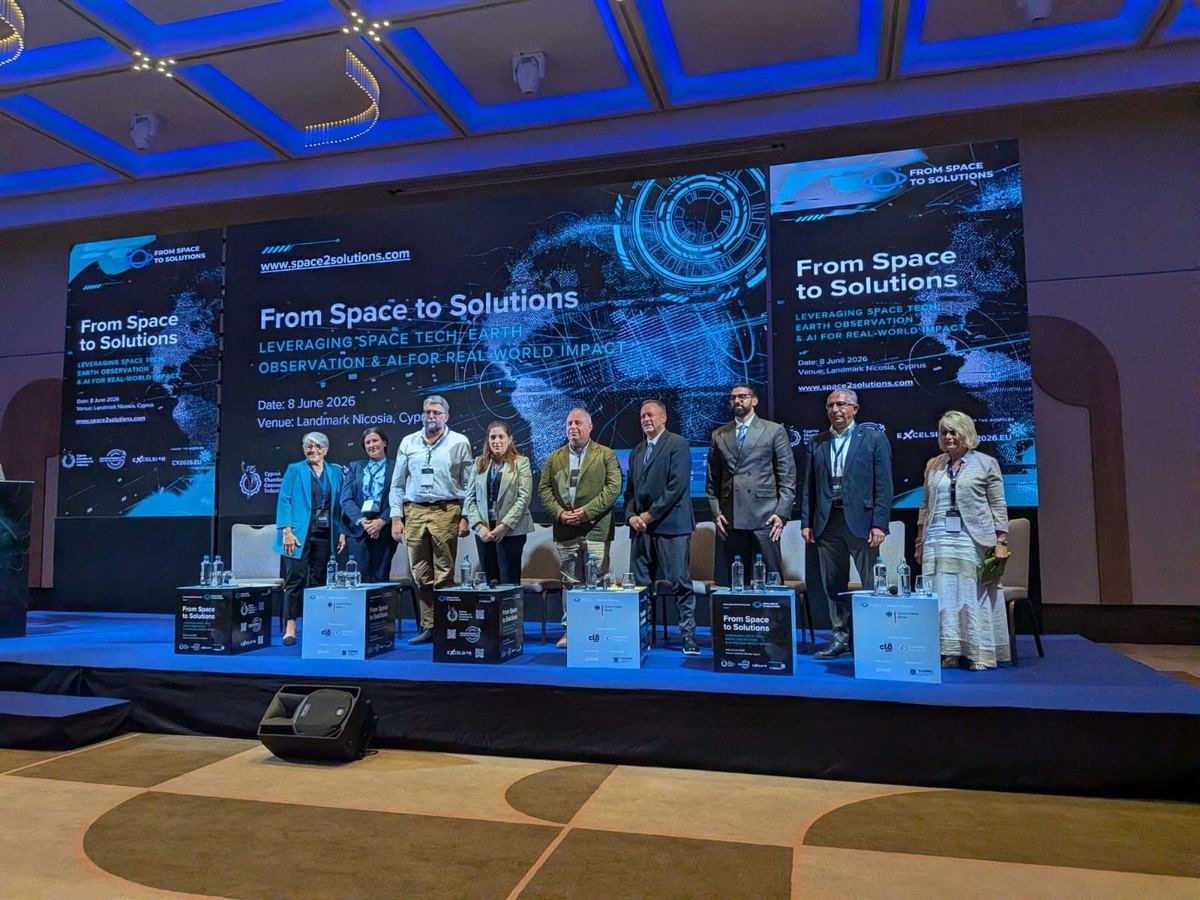
Vice-Chair Dr Ivelina Kadiri represented SEREN on High-Level Panel II — Agriculture, Natural Disasters, Climate Resilience, Net Zero & Sustainability — at this forum held under the auspices of the Cyprus Presidency of the Council of the EU 2026. Moderated by Barbara Ryan, the panel brought together Dr Joanna Drake (Deputy Director-General, DG Research and Innovation, European Commission), Dr Christiana Papoutsa of the ERATOSTHENES Centre of Excellence, and other regional policy and industry leaders. Ivelina set out SEREN's position on space biomanufacturing and bio-security gaps in the EU Biotech Act, building on input gathered across the network. The forum was hosted by the ERATOSTHENES Centre of Excellence and the Cyprus Chamber of Commerce & Industry.
space2solutions.com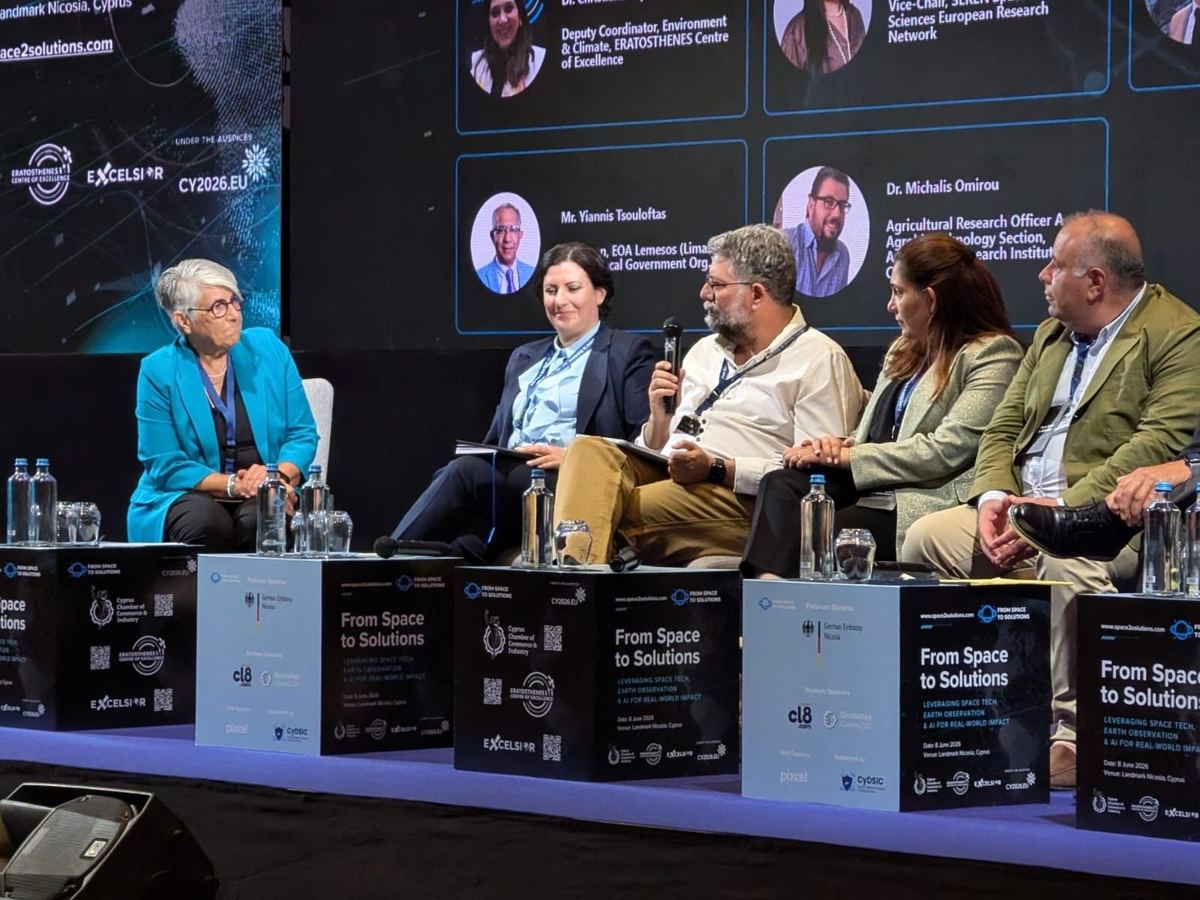
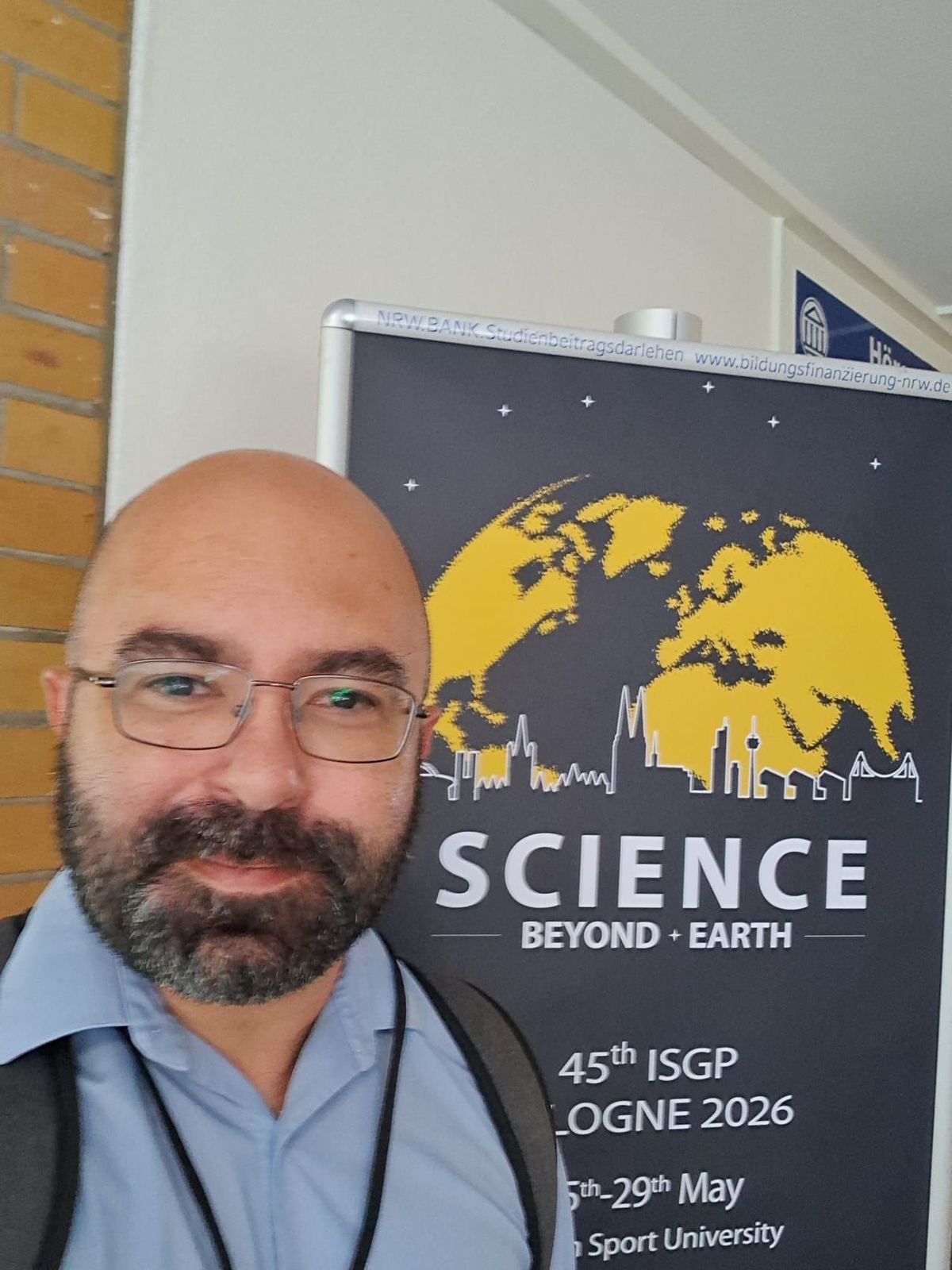
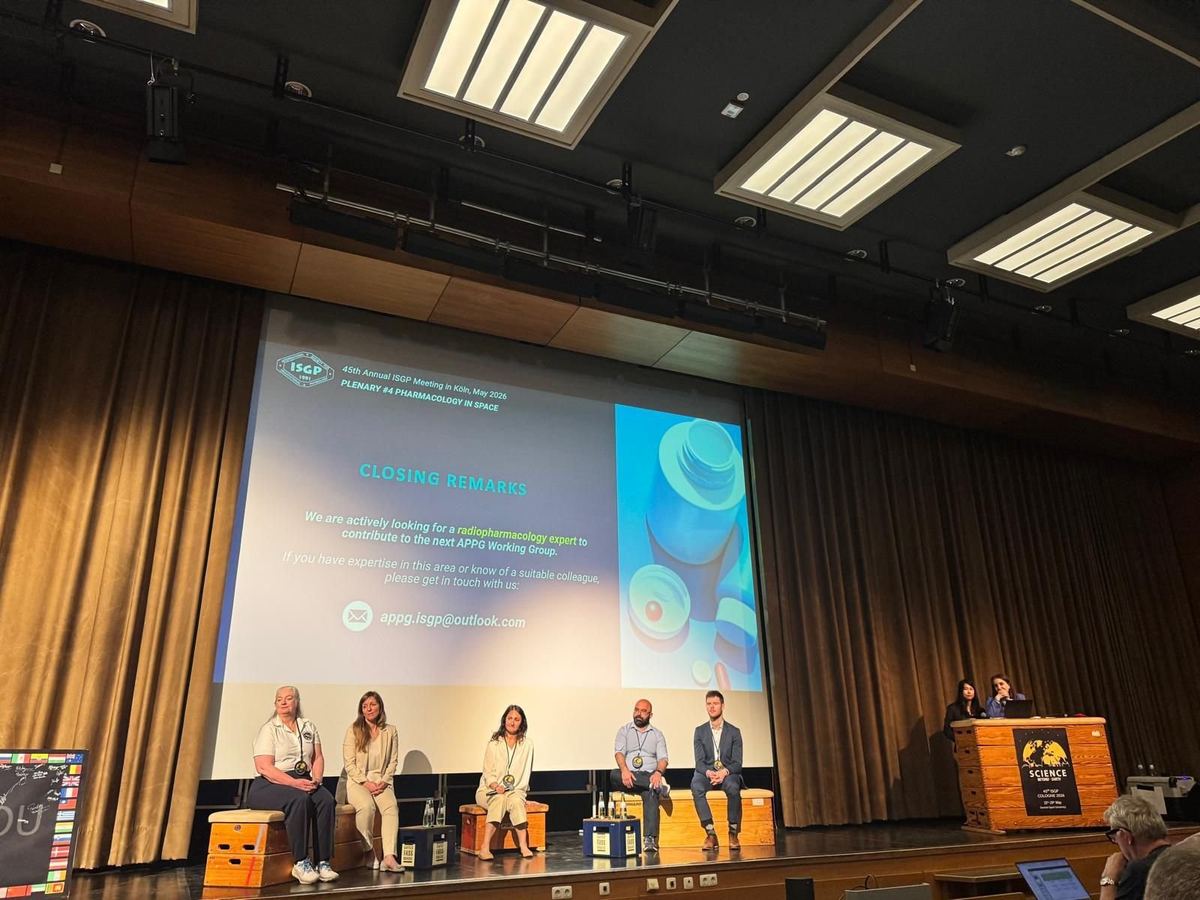
Chair Dr Willian A. da Silveira presented SEREN at the 45th Annual Meeting of the International Society for Gravitational Physiology, hosted by the German Sport University Cologne. He also joined the "Pharmacology in Space" panel — the founding session of ISGP's new Aerospace Pharmacy and Pharmacology Group (APPG) — alongside Prof. Virginia Wotring, Dr Judith-Irina Buchheim and Ben Cools, with the session organised by Dr Li Shean Toh, Dr Audrey Derobertmasure and Karen Barchetti, all SEREN network members.
Event page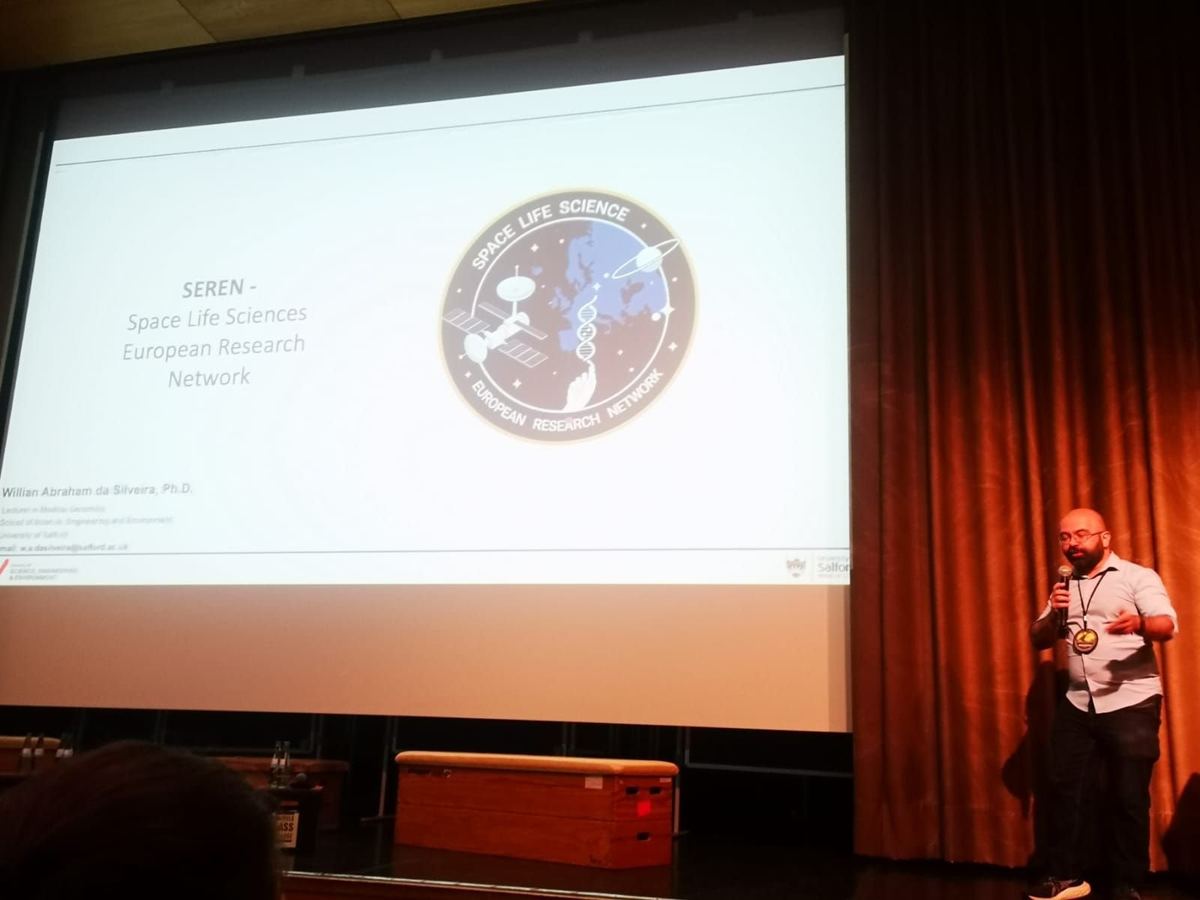
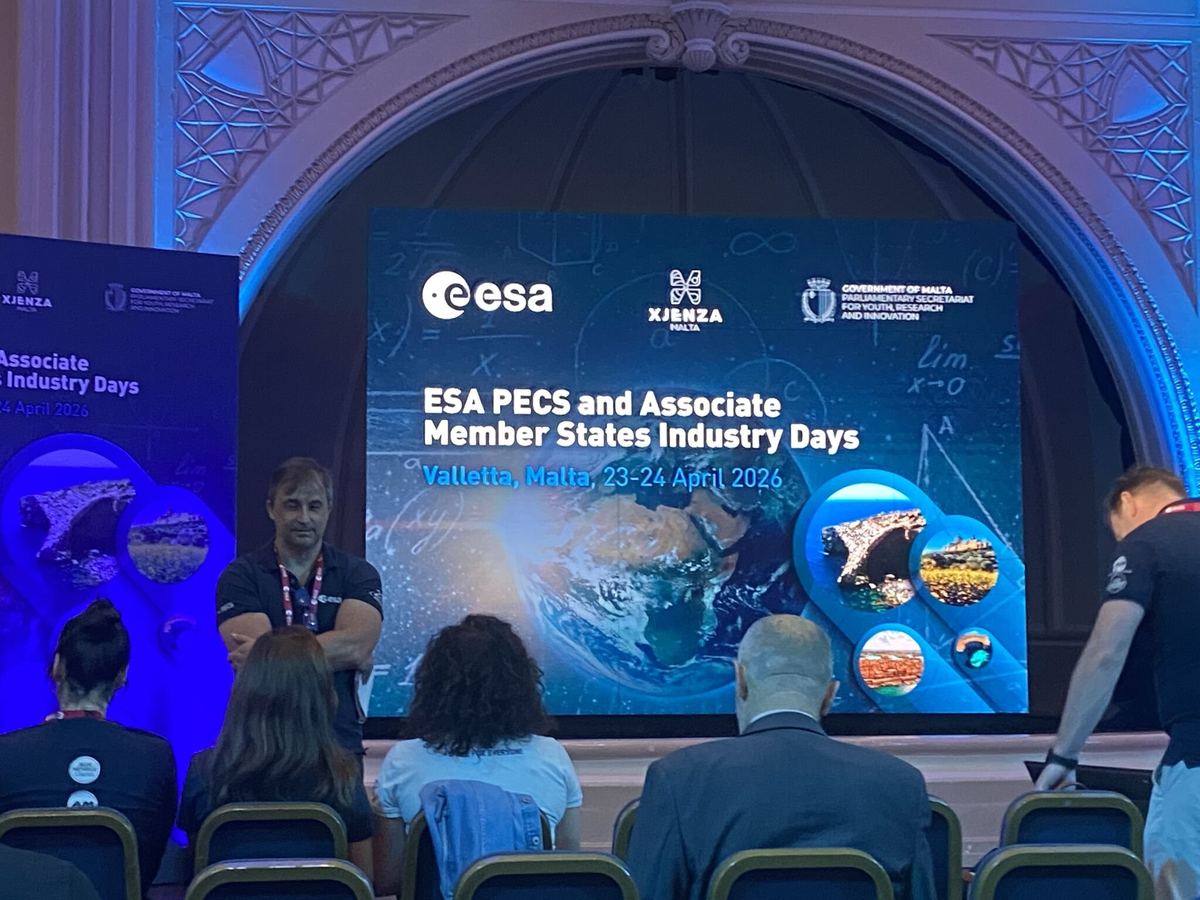
Dr Ivelina Kadiri presented SEREN alongside Prof. Joseph Borg at the European Space Agency's PECS and Associate Member States Industry Days in Valletta, jointly organised by ESA and Xjenza Malta. The event brought together delegations and industry representatives from across ESA's Cooperating and Associate Member States to explore collaboration opportunities in the European space sector — a natural setting for introducing SEREN's network of 70+ researchers across 20+ institutions and its dual-use approach to space life sciences.
Event page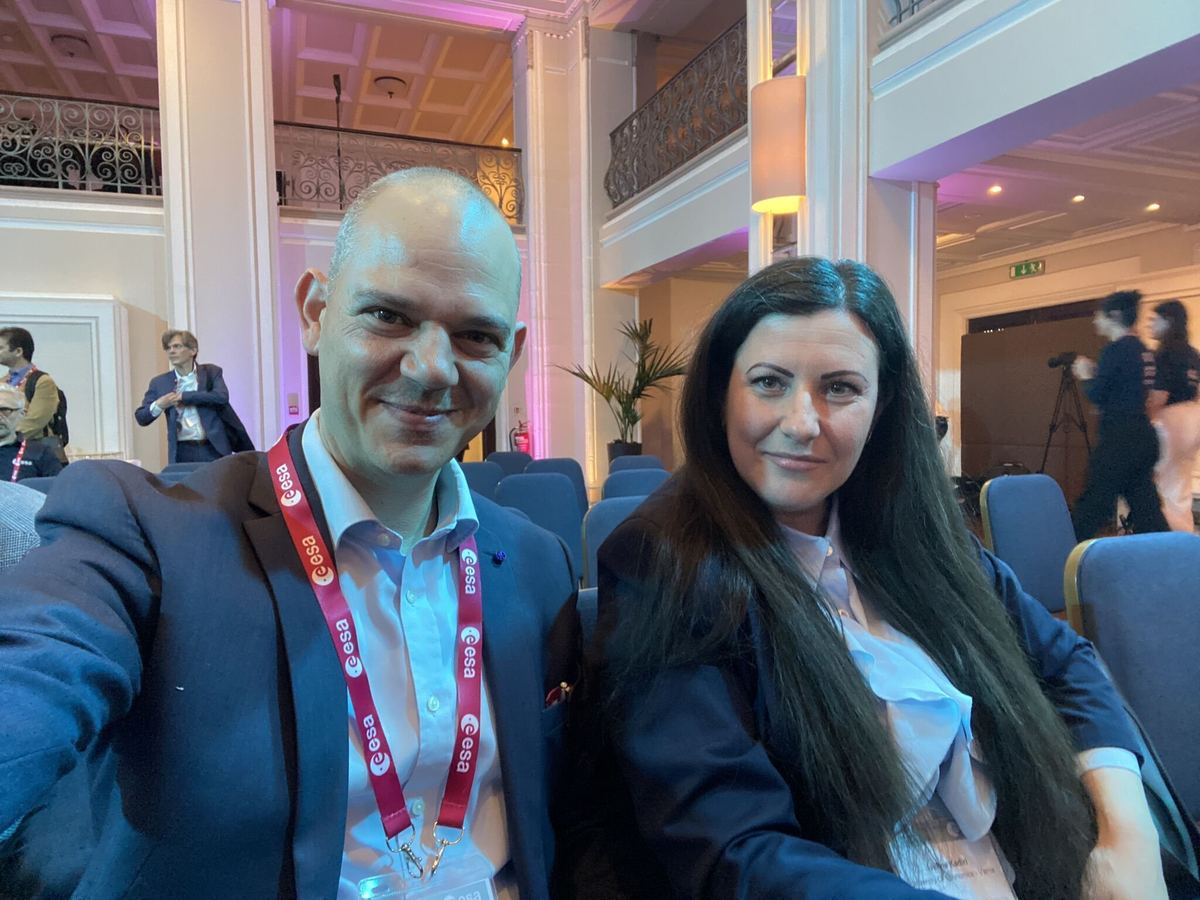
Astronaut data and microgravity biology translated into new therapies and biotech products. Bridging space physiology with terrestrial advances in ageing, metabolic health, and disease resilience.
Space mission constraints as drivers of circular economy and resource efficiency technologies. From closed-loop life support systems to sustainable terrestrial applications, scarcity becomes innovation.
Integrating Europe's space and biotech sectors to accelerate breakthroughs and skills retention. Structured pathways to Horizon Europe consortia, ESA-industry partnerships, and COST Innovators Grants.
Six interdisciplinary working groups spanning the full research-to-application pipeline — from astronaut physiology to public outreach.
Physiological and metabolic responses to space environments — ageing, mitochondrial function, cognitive changes, long-term health risks.
Microbial ecosystems in closed habitats, immune regulation, gut-brain-microbiome interactions, synthetic biology, biomining, and therapeutic peptide production.
Biosystems for closed-loop sustainability — plant growth, oxygen production, waste recycling, and water filtration for space habitats.
Organoids, organ-on-chip models, 3D bioprinting, stem cell therapy, and tissue engineering for long-duration missions and low-resource environments.
Drug discovery, stability, personalised medicine, miniaturised diagnostics, remote health monitoring, telemedicine, and pharmacovigilance for space and Earth.
Internal and external communication, public outreach, stakeholder relations, ethical framing of research, science diplomacy, and SEREN's visual and strategic identity.
| Country | Organisation | Contact |
|---|---|---|
| Armenia | DEPI Space Research Hub | Ms Gayane Hakobyan |
| Belgium | Space Applications Services NV | Dr Miguel Ferreira |
| Bulgaria | Roumen Tsanev Institute of Molecular Biology, BAS / EPIX.AI | Prof Milena Georgieva |
| France | MEDES – Institut de Médecine et Physiologie Spatiale (IMPS) | Dr Adeline Martin |
| France | ALATYR | Mr Alexandre Becache |
| Lithuania | Delta Biosciences | Mr Dominykas Milasius |
| Malta | SPACEOMIX | Dr Joseph Borg |
| Poland | Extremo Technologies | Ms Wiktoria Dziadula / Ms Ewa Borowska |
| United Kingdom | Apotech in Extreme | Dr Li Shean Toh |
Advances Horizon Europe mission-oriented research and ESA's Terrae Novae exploration priorities.
Supports the emerging EU Space Act and EU Biotech Act policy frameworks.
Creates structured pathways to Horizon Europe consortia and ESA-industry partnerships.
Positions Europe competitively within a global space economy projected to exceed $1.8 trillion by 2035.